
ArticleSep 3, 2026
Bleeding Gums: Warning Sign You Shouldn't Ignore
Why Your Gums Bleed When You Brush (And When to Worry)
Notice a little pink in the sink after you brush? It's easy to shrug off. Maybe you brushed too hard, or your gums are just "sensitive." But healthy gums don't bleed. Bleeding gums are one of the most common and most commonly ignored warning signs in dental health. They can point to something as simple as a brushing technique or as serious as early gum disease. The good news? Catch it early, and it's usually easy to fix. Ignore it, and it can snowball into a much bigger problem.
At Smiles on the Hudson, our dentist in Edgewater, Dr. Simon Roytberg, helps patients throughout Bergen County get to the bottom of symptoms like this every day. If you've noticed occasional gum bleeding, schedule an appointment at our Edgewater dental office by calling (201) 941-0088.

What Causes Bleeding Gums?
There are a handful of usual suspects behind bleeding gums:
- Plaque Buildup - When plaque isn't removed through regular brushing and flossing, it hardens into tartar and irritates the gum line, causing inflammation and bleeding.
- Gingivitis - This is the earliest stage of gum disease. Gums become red, swollen, and prone to bleeding, but the good news is that it's typically reversible with better oral hygiene and a professional cleaning.
- Periodontitis - If gingivitis goes untreated, it can progress into periodontitis, a more advanced form of gum disease that can damage the soft tissue and bone supporting your teeth.
- Brushing or Flossing too Aggressively - Sometimes it's not the disease at all, just technique. Hard bristles or a heavy hand can irritate healthy gum tissue.
- Hormonal Changes - Pregnancy, puberty, and menopause can all make gums more sensitive and prone to bleeding.
- Certain Medications - Blood thinners and some other medications can increase bleeding, including in the gums.
- Vitamin Deficiencies - Low vitamin C or K can affect how well your gums heal and clot.
When Bleeding Gums Become a Bigger Concern
Occasional bleeding after a rougher-than-usual flossing session is one thing. But if you notice any of the following, it's time to schedule a visit:
- Gums bleed regularly, even with gentle brushing
- Gums appear red, swollen, or tender
- You notice persistent bad breath
- Your teeth feel loose, or your bite feels different
- Gums appear to be pulling away from your teeth (receding)
These can be signs that gum disease has progressed beyond something a better toothbrush can fix.
Why You Shouldn't Wait It Out
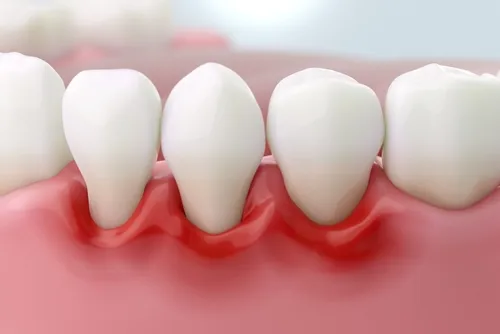
Gum disease doesn't stay contained to your gums. Left untreated, it can lead to tooth loss, and research has linked periodontal disease to broader health issues, including heart disease and diabetes complications. The earlier it's addressed, the simpler and less invasive the treatment.
This is exactly why routine dental checkups matter so much. A professional dental cleaning removes buildup that brushing alone can't touch, and Dr. Roytberg and our hygiene team can catch early warning signs before they turn into something that requires more extensive treatment.
How We Treat Bleeding Gums at Smiles on the Hudson
Every patient's gums tell a different story, so treatment starts with a thorough evaluation. Depending on what we find, care might include:
- A professional deep cleaning to remove plaque and tartar below the gum line
- Guidance on brushing and flossing techniques that protect rather than irritate your gums
- Scaling and root planing for more advanced buildup
- A personalized maintenance schedule to keep gum disease from returning
- Nutritional guidance if a deficiency may be contributing to the issue
As a trusted Edgewater dentist, Dr. Roytberg takes the time to explain what's happening and why. No scare tactics, just clear answers and a plan that fits your life.
Simple Habits That Help Prevent Bleeding Gums

The good news is that healthy gum habits aren't complicated. A few small changes at home can make a real difference:
- Brush Gently, Twice a Day - Use a soft-bristled brush and let the bristles do the work instead of pressing hard.
- Floss Daily - Gentle, consistent flossing removes the plaque a toothbrush can't reach along the gum line.
- Rinse with Antimicrobial Mouthwash - If advised by your dentist, use an antimicrobial mouthwash to rinse away bacteria that cause gum irritation.
- Stay Hydrated - Saliva helps wash away food particles and bacteria, so dry mouth can make gums more vulnerable.
- Eat gum-friendly foods. Crunchy vegetables, foods rich in vitamin C, and plenty of water support healthy tissue and fresh breath.
- Don't skip your cleanings. Even with a great home routine, professional cleanings remove buildup that brushing and flossing alone can't touch.
Small, consistent habits go a long way toward keeping your gums pink, firm, and bleed-free.
The Connection Between Gum Health and Your Overall Health
Your mouth doesn't operate in isolation from the rest of your body, and gum health is a great example of that. Chronic gum inflammation has been linked to a number of broader health concerns, including:
- Heart Health - Some research suggests a connection between gum disease and an increased risk of cardiovascular problems.
- Diabetes - Gum disease and blood sugar control can influence each other, making it harder to manage diabetes when gum inflammation is present.
- Pregnancy Complications - Hormonal shifts already make pregnant patients more prone to gum sensitivity, and untreated gum disease has been associated with pregnancy-related risks.
- Respiratory Health - Bacteria from inflamed gums can, in some cases, be linked to respiratory issues, particularly in patients with existing lung conditions.
This is one of the many reasons Dr. Roytberg emphasizes gum health as a core part of every checkup, not just an afterthought. Taking care of your gums is taking care of your whole body.
What to Expect at Your Visit with Dr. Roytberg
If you've been putting off a visit because you're not sure what treating bleeding gums actually involves, here's a simple rundown of what happens at Smiles on the Hudson:
- Thorough Exam - Dr. Roytberg will check your gum tissue, look for signs of inflammation or recession, and ask about your symptoms and habits.
- Gentle Measurements - We may check the depth of the space between your teeth and gums to see if there are early signs of periodontal disease.
- Personalized Cleaning - Depending on what we find, your cleaning may go a bit deeper than a routine visit to remove plaque and tartar below the gum line.
- Clear Next Steps - You'll leave with a clear understanding of what's going on and a simple plan, whether that's a change in your home routine or a follow-up visit.
There's no judgment here, just a straightforward path to healthier gums.
Improve Your Gum Health at Our Edgewater Dental Office
Bleeding gums aren't just a minor annoyance to rinse away and forget about. They're your body's way of flagging that something needs attention. Whether it turns out to be a simple fix or the start of treating early gum disease, getting it looked at sooner rather than later makes all the difference.
At Smiles on the Hudson, your periodontist in Edgewater, NJ, is here to help patients throughout Bergen County keep their smiles healthy for the long run. If your gums have been bleeding, don't brush it off. Contact Smiles on the Hudson today by calling (201) 941-0088.
